Hawk on a Line

Survival, strength, and overcoming the impossible

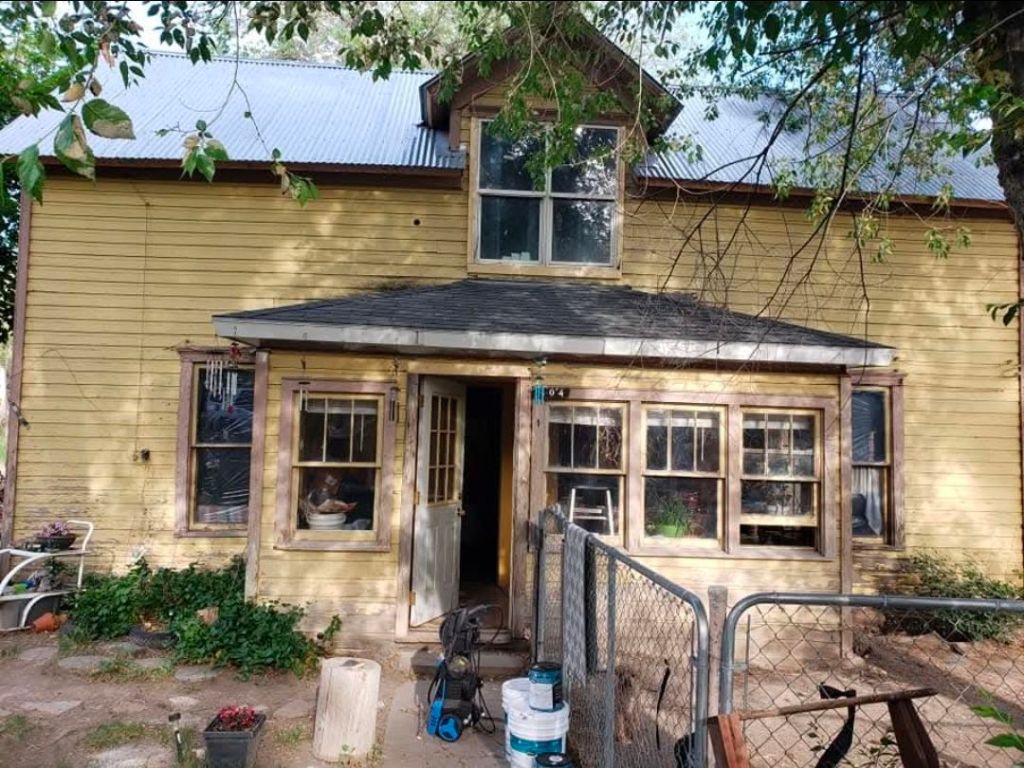
  • The warm sun kissed my cheek, gently waking me most summer mornings. The birds in the tree next to my bedroom window sang their good morning tunes, dancing in and out of their melodies as I watched the sunbeams gliding across my room. The dust would waltz through the sun, and I’d pretend they were angels watching over me and my sisters. The warm wrap of sunshine around my tiny body and the glorious morning hymns of the birds were shattered almost as quickly as they warmed my soul.

    Shouting and objects hitting the living room wall is all we could hear now. Our morning started like this quite often. My sisters and i lay still. silent. eyes wide, waiting for a moment to escape the confines of our daily hell. we quietly shuffled our feet down the turning staircase. the stairs layed with red carpet silenced our footsteps and made it easier for us to reamin unseen and unheard. my oldests sisters hand reached the front door and the familiar metallic ting from the loose handle jiggled in her hand. I looked back in time to see a ceramic mug thrown across the room and hit my mom in her right eye. she dropped to her knees cupping her eye and i turned quickly to head out the door. I was terrfied for her. but i knew his hands well too and i knew i would meet a similar fate if i intervened. we all knew that. My oldest sister with my youngest sister slung over hip, looked back in dread as we turned toward what we knew as safety.

    The hillside next to us was fairylike. The way it could wipe away a day of pain and chaos was simply magic. We knew we could escape there and the enchanted hillside would wipe away our worries. We spent sunup to sundown outside in those hills, miles and miles of tread on our feet, mud between our toes, and buckets upon buckets of snails, rocks, frogs, and cattail wishes galore.

    When we returned home several hours later, the police officer from just a few houses down was in our living room. the solid oak coffee table turned on its side, papers everywehere and, the white coffee mug, in one piece laying on the ground where it fell after colliding with my moms face. He’d been here before, and i never understood why he came. He never helped my mom or us. he’d write a few things down, say “ok, uh huh”, like he was listening, then. nothing. we wouldn’t see him again until their next fight. there was always evidence of him hitting her but the police officers never helped her. It taught me from a young age not to trust people with authority. only “good” people get help. not people like us. My trust in adults was deminished by the time i hit the 4th grade. No adult had ever stood up for me and no adult has ever tried to help my mom. The only people who had let me down in my short time on earth were those who were in a position to help but chose not to.

    We went to bed that night, empty stomachs growling at each other, the sound echoing in the stillness of the room. We all four lay in the same bed, offering each other quiet comfort and hoping the next day may bring peace and a warm meal. our dreams entwined in a collective wish for better days ahead, where laughter would replace our hunger, happiness would fill our hearts and, the songs of the birds would carry throughout our day.

    This is for my mom. She endured hell from this man and came out a survivor. I am proud of what she has overcome and fights for everyday. October is domestic violence awareness month. don’t silence yourself. and help someone who needs it.
  • The first thing I remembered was waking up in a brightly lit room high above the city as I could nearly see the tops of the highest buildings surrounding the hospital. The previous weeks, I had been in and out of consciousness in a dark room, where I was checked on and rolled from back to side to the other side, like clockwork. Each time I managed to drift back into awareness, I could hear the faint beeping of machines around me, monitoring my every breath and heartbeat. I recalled a strange mixture of fear and comfort at this sound; it was a constant reminder that I was alive, but it also highlighted the fragility of my existence. For three long weeks, I was tested, poked, and watched with relentless scrutiny. I was dying right in front of their eyes, and they didn’t know why.

    I was freshly turned ten and just seven weeks earlier, I had undergone an emergency open-heart surgery to repair the aortic valve that was separating from the heart itself. I remembered the conversations the doctors had with my parents, their faces painted with concern and uncertainty. The sterile scent of the hospital filled my nostrils, a scent I would come to associate with one of the most terrifying experiences of my young life. The moments spent in the operating room, where I was surrounded by masked figures and bright lights, replayed in my mind like a haunting melody I couldn’t escape.

    Here we were again. The same hospital, surrounded by unfamiliar faces in a place that haunted my very dreams. I was a child, and I didn’t belong here, I thought. This time, I was much more sick, which didn’t seem possible given all I had already endured. Just a few days had passed since I last felt capable of running and playing with my friends. I was getting better; I felt good again. But then, all of a sudden, I just didn’t. My energy slipped away, fatigue seeped into my bones, my body ached in ways I couldn’t articulate, and I longed for sleep more than the carefree laughter and playtime that used to fill my days.

    Three long weeks it took for answers to emerge from the chaos of tests and pokes. They tested my heart, as I had a donor heart valve; naturally, they thought it was organ rejection. I was kept in an ICU room behind two heavy doors, the kind that felt like they were closing me off from the world outside. Infectious disease, cardiology, oncology—you name it, they were on my case, each specialist with their concerns and hypotheses. I could see the worry etched on my mother’s face, her eyes bloodshot from lack of sleep, her hands trembling as she clutched the armrest of the chair by my bedside.

    Eventually, a biopsy was performed, a routine procedure that felt anything but routine in my frail state. The silence was heavy in the air, filled only with the soft hum of machines that tracked my every heartbeat. Then came the news that changed everything: an extremely rare form of cancer had been discovered. Peripheral T-Cell Lymphoma, Non-Hodgkin’s—rarely seen in children and typically found in male patients over sixty years. It felt surreal; how could this be happening to me? A child dealing with something so adult, so grim.

    When I woke in the brightly lit room on my mom’s birthday, reality hit hard. My chemotherapy had already begun before I even regained full consciousness. It was already at stage 4 and rampant throughout my entire body. The medical team was on high alert, moving swiftly to combat this relentless intruder. My first memory after three weeks in ICU was hearing the words that no child should ever have to hear: “Your daughter has cancer.” Those words echoed in my mind, sending tremors of fear down my spine, and in that moment, I felt the weight of a thousand nightmares coalesce into one glaring truth.

  • My first bully was my first grade teacher. She picked the kids out of the classroom with noticeably less, dirty clothes, unkempt hair, and an odor that can’t be placed. I actually remember her picking a kid out of the class and telling him, “you smell horrible.” It makes my stomach turn to this day. All the kids laughed and pointed as I sat in silence, feeling his embarrassment pour over his body. I felt it too. Would she call me out next? Would I be the next target of her cruel commentary?

    School was not something I looked forward to. It wasn’t a place where I felt peace or comfort, but it was a place where I was guaranteed a meal. If only one meal, it was still enough to get me through another day at home where the cupboards were often bare. Eventually, the school started offering free breakfast too, and I would wake up early, dig through the dirty clothes to find what I could. Two warm meals a day felt like winning the lottery. a fleeting relief from the hunger that was a constant companion once I stepped through the school door every morning.

    The feeling of walking up the sidewalk to school is still a memory that haunts me. The vacant stares and looks of disgust as I made my way to the door, with dirty hair and unwashed clothes. The whispers don’t need to slip from their thin-pursed lips; I can sense their judgment long before they say a word. They walk their children into school every day, their faces devoid of any understanding or compassion. And every day, I can feel their whispers wrap around me and stain my thin dress like a stale smoke ring, lingering and oppressive. A child, the most permeable of beings, born into an unforgiving situation and lost in a sea of adults who seem to overlook my existence.

    I could see it all so clearly. Like a hawk on a line, waiting for a field mouse, I felt exposed and vulnerable. Except I was the mouse, scurrying under the radar, desperate to remain unnoticed while trying to navigate through a world that didn’t feel welcoming. Each morning, the anxiety swirled in my stomach as I faced the relentless scrutiny. Sometimes I would wish to disappear entirely, to be anywhere but there, to be someone else entirely, someone who didn’t have to bear the crushing weight of judgment and scorn. In those moments, I learned the harsh realities of social dynamics, of who is deemed acceptable and who is not, and I wished for a different kind of life, for a different kind of love and acceptance.

  • As my son lay in bed next to me the other night, I watched his chest fill with air and fall with each breath, a serene rhythm that contrasted sharply with the chaos I once knew. I listened closely, waiting… watching my precious boy, whose innocence seemed so fragile against the weight of my memories. They say that your childhood traumas become more prevalent at the age of your children when you experienced your own trauma, and that is certainly something I experience daily, as the echoes of my past linger like shadows in the corners of my mind. I grew up in a meth house, a place where laughter was a rare sound and darkness often filled the rooms. There were no warm hands of comfort when you were sick, no warm broth or popsicles waiting to be handed to you like a loving gesture from a caring parent. The nights were filled with the harsh reality of addiction, where the only warmth came from fleeting moments of hope that rarely lasted. From a very young age, I was on my own and I knew it, navigating a world that felt cold and indifferent, a stark contrast to the nurturing environment I yearn to provide for my son. Each breath he takes serves as a reminder of what I never had, motivating me to create a world filled with love and safety for him, ensuring that he feels cherished and protected every day.

    I was probably a little older than my son is now, maybe 3rd or 4th grade, a time in my life when innocence was still a shield against the harsh realities around me. My mom was deep in her addiction, consumed by it, and it was normal for my sisters and me not to see her regularly or even daily, leaving a void that felt both unsettling and familiar. I came down with a bug in the middle of summer, the blazing heat intensifying my discomfort. I lay in a second-floor room being baked by the south-facing window, the beams offering a shimmer of hope that someone may find me. They didn’t. For 3 long days I lay there, trapped in a fever dream, baking in my own sweat and vomit, drifting in and out of consciousness. The smell of the room still consumes my senses, a blend of sickness and neglect that haunts my memories. Eventually, I was found; I imagine on the brink of dehydration because all I recall was my oldest sister bursting through the door, her face twisting in panic as she found me in bed, yelling, “OH MY GOD!” The memory fades after that, but I know that she took care of me just as she always did, her nurturing spirit shining through the darkness. We were not her burden to carry, but she carried me and all of us, pouring her love and strength into the cracks of our broken family, a beacon of hope in our chaos.

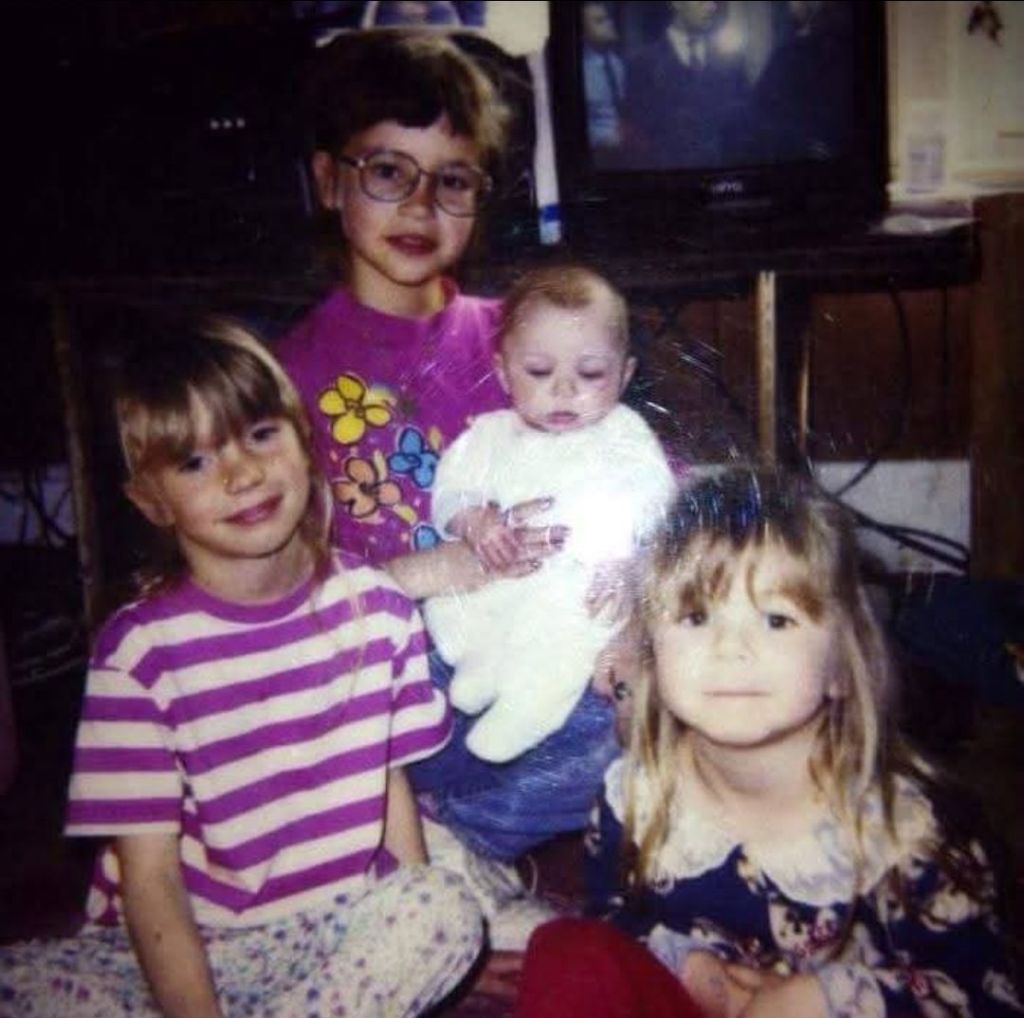
    My sisters and I, before addiction, completely took over our home